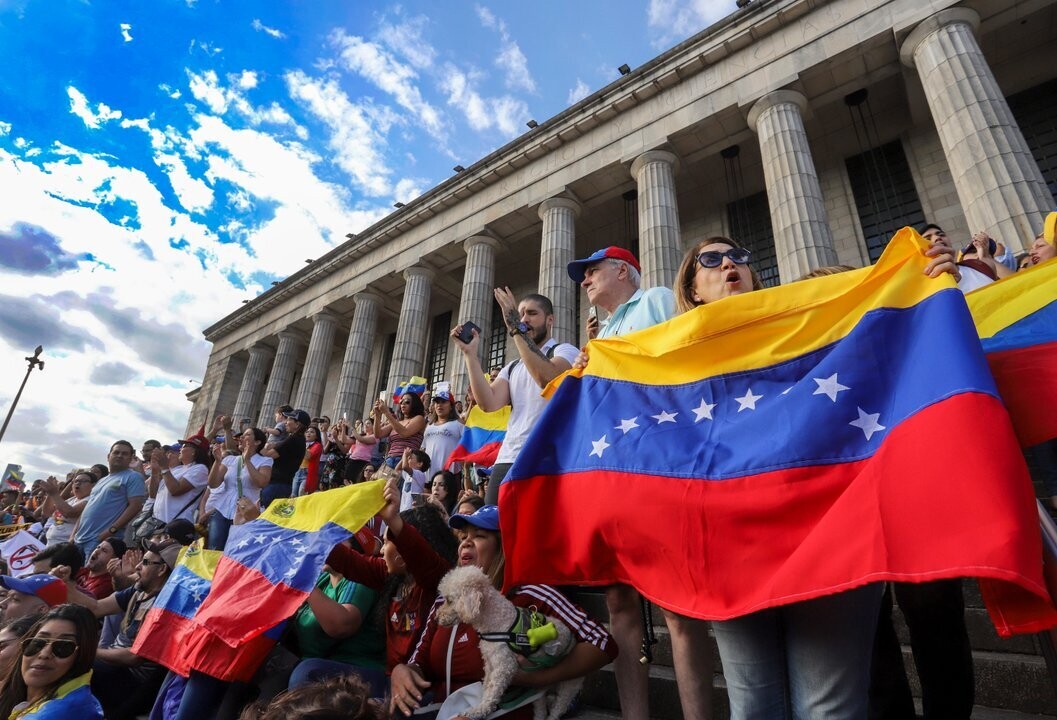
Buenos Aires, December 22 (NA) — Specialized organizations have presented a report revealing the scale and living conditions of the Venezuelan community in Argentina, which is now the country's third-largest foreign community, according to the Argentine News Agency (Agencia Noticias Argentinas). The Urban Fabric Foundation (Fundación Tejido Urbano) and the Alliance for Venezuela (Alianza por Venezuela) released the study "Inhabiting Migration: Access to Housing and Residential Trajectories of the Venezuelan Population in the AMBA," which provides a detailed diagnosis of the community's access to housing, socio-economic profile, and housing efforts.
According to the "Habitat and Migration Notebooks" series, Venezuelan migration is the most significant demographic phenomenon of the last decade in the country.
Scale and Profile of the Community The report estimates that nearly 200,000 Venezuelans reside in Argentina, with a strong metropolitan concentration: 83.8% of residences are in the City of Buenos Aires and the AMBA. The bulk of arrivals occurred between 2017 and 2019, and the Capital District (Caracas) is the main area of origin. However, labor insertion is heterogeneous: 39% work in formal dependent employment, 14% informally, and 29% are self-employed. The unemployment rate in the sample reaches 17%, above the AMBA average, and nearly three out of every ten households are in a situation of economic vulnerability, with unstable incomes and a strong dependence on informal activities. Over time, there has been an improvement in the type of housing: the proportion of people living in apartments increased from 50% in their first residence to over 70% in the current situation, with three out of every four households under long-term traditional contracts.
Nevertheless, the report warns of a high level of housing stress: more than eight out of every ten households (81.1%) allocate more than 30% of their income to housing payments, exceeding affordability thresholds, and more than half of the lowest-income households spend more than 50% of their resources on rent. In the City of Buenos Aires, the average primary cost (rent plus expenses) amounts to $713,661.
The organizations pointed out that the combination of high costs, guarantee requirements, and labor precariousness forces many households to accept the "only available option," with the risk of overcrowding and forced cohabitation.
Since 2019, the support networks already in place in Argentina have become the main reason for choosing the destination.
Work, Income, and Vulnerability The research highlights a high educational capital: 70.1% of the active population has a complete university education (84% if those still in training are included). Additionally, 39% of the so-called "fragile middle class" report over-employment, with more than one job to sustain income.
Housing and Housing Effort According to the survey, 92.8% of Venezuelan households rent their homes, and nearly half found their first housing through networks of relatives and friends.